Thinking about brewing your own beer at home? That’s awesome! It’s a fun way to explore your creative side and enjoy fresh beer tailored to your taste. Let’s break it down so you can get started with ease.
First up, grab yourself a starter kit. These kits come with everything you need, like fermenters, airlocks, and other basic gear. Look for one that includes a good recipe book or access to online recipes. It’ll help you navigate the brewing process without any major bumps in the road.
Next, choose your ingredients. You'll need malt, hops, yeast, and water. If you’re just starting out, pick a simple recipe with standard ingredients. This makes it easier to understand how each element works together. Once you’ve got everything, set up a clean workspace. Sanitation is key, so make sure your equipment is squeaky clean.
Now comes the fun part: the brewing process! Follow the recipe step-by-step. You’ll be boiling ingredients, cooling your brew, and transferring it to the fermenter. The waiting game can be tough, but that’s where the magic happens. After about a week or two, you'll have your very own homemade beer ready to bottle.
Lastly, don’t forget to experiment! After your first batch, try out different recipes, flavors, and techniques. Brewing beer is all about learning and finding what you love. So, grab your gear, and let’s get brewing!
Essential Tools for Brewing Success
Brewing beer at home can be a fun and rewarding experience, but having the right tools makes all the difference. You don’t need a fancy setup to get started, but there are some essential tools that can really help your brewing process run smoothly.
First up is the kettle. A good brew kettle is crucial because it helps you control the temperature while boiling your ingredients. Look for a stainless steel kettle with a capacity of at least 5 gallons. This size should give you enough room to brew a solid batch without worrying about it boiling over.
Next, you can’t forget about a fermenter. This is where your beer will actually change from sugary liquid to the delightful drink you’re aiming for. A food-grade plastic fermenter or a glass carboy works great. Make sure it has an airlock so the gases can escape during fermentation, but nothing else can get in.
You’ll also need a hydrometer. This little tool measures the specific gravity of your beer, which helps you determine how much alcohol is in your brew. It’s simple to use and super handy for tracking your brewing progress.
Last but not least, don’t skimp on cleaning supplies. Sanitizing everything that touches your beer is key to preventing off-flavors or contamination. Get some food-safe sanitizer and keep everything squeaky clean before and after each brew session. With these essentials, you'll be on your way to brewing your best beer at home!
Choosing the Right Ingredients
When it comes to brewing beer at home, the ingredients you choose can make or break your batch. It’s not just about throwing some grains and hops together; each ingredient plays a role in the flavor and quality of your beer. So, let’s break it down!
First up, you’ve got your malt. This is where the sugars come from, and it also brings a ton of flavor. Choose between pale malts for a lighter beer or darker malts for something richer and more complex. If you want to experiment, look for specialty malts that can add unique flavors like chocolate, caramel, or even coffee notes.
Next, let’s talk hops. They’re essential for balancing the sweetness of the malt and adding that lovely bitterness. Hops also contribute aromas and flavors that can range from floral to fruity. If you’re feeling adventurous, try dry hopping towards the end of fermentation to really pump up those flavors!
Yeast is another key player. This little guy does the hard work of fermenting the sugars into alcohol, so picking the right strain is crucial. Different yeast strains can lead to different styles of beer, so consider what type of beer you want to make. Don’t forget to think about temperature, too; some yeasts thrive in warmer spots, while others prefer the cool.
Water is the unsung hero of brewing. Good-quality water can significantly affect your beer’s taste. If your tap water has a strong flavor or is heavily chlorinated, it’s worth investing in some filtered water. This simple tip can elevate your home brewing game tremendously!
Tasting and Enjoying Your Brew
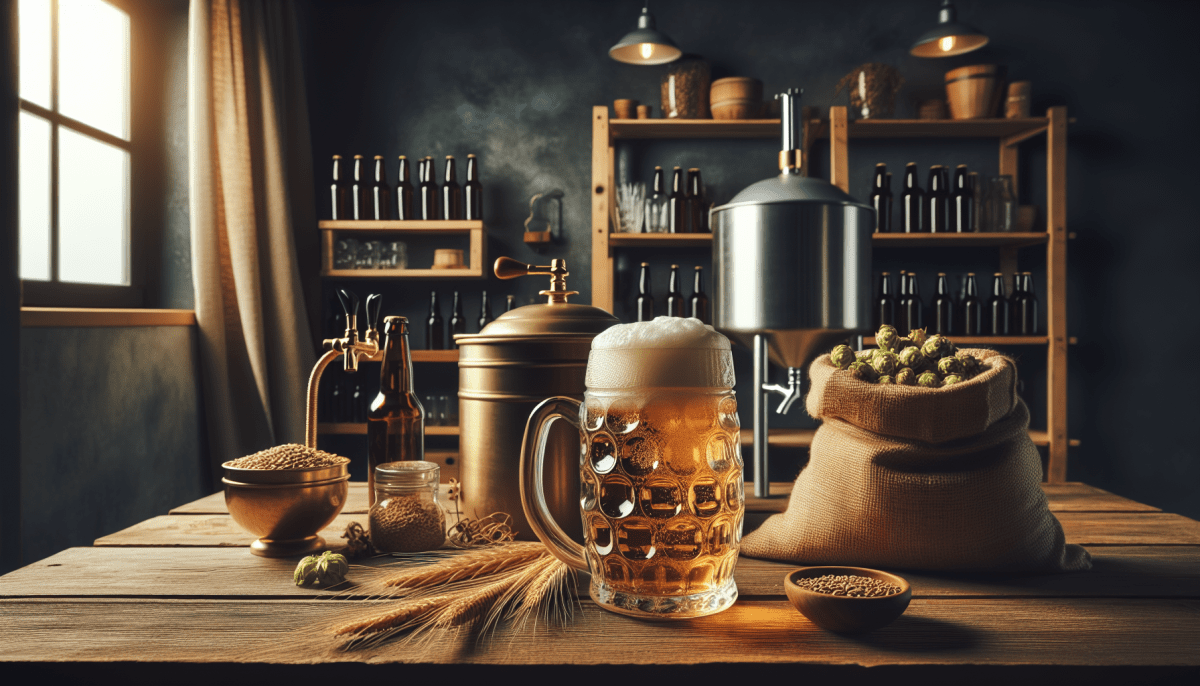
Enjoying your freshly brewed beer is one of the best parts of the whole process. Once your brew is ready, it’s time to pour yourself a glass and savor the fruits of your labor. Make sure you have a clean, cool glass to really appreciate the aroma and color. A good pint glass can make a world of difference!
When pouring, tilt the glass at a 45-degree angle, then straighten it up as you fill to create just a bit of head. This helps release the aromas and gives you that nice foamy top. Take a moment to inhale the scent. You might pick up hints of malt, hops, or whatever flavors you’ve added. It’s like an appetizer before your first sip!
Now, let’s get to the tasting. Take a small sip and let it roll around in your mouth. Notice the flavors and textures. Is it hoppy and bitter, or smooth and malty? You might find surprises from the ingredients you used. Jot down your thoughts if you want—this can help you tweak your next batch.
If you’re sharing with friends, create a mini tasting event. Get a few different glass styles and snacks to pair with each beer. Pretzels, cheese, or even chocolates can enhance the experience, letting your taste buds dance with delight! Enjoying your brew with others makes it even more special.