Have you ever thought about making your own wine at home? It’s easier than you might think! You don’t need to be a winemaker to enjoy this fun hobby. All you really need are some simple supplies and a little enthusiasm.
First things first, gather your essentials. You’ll need:
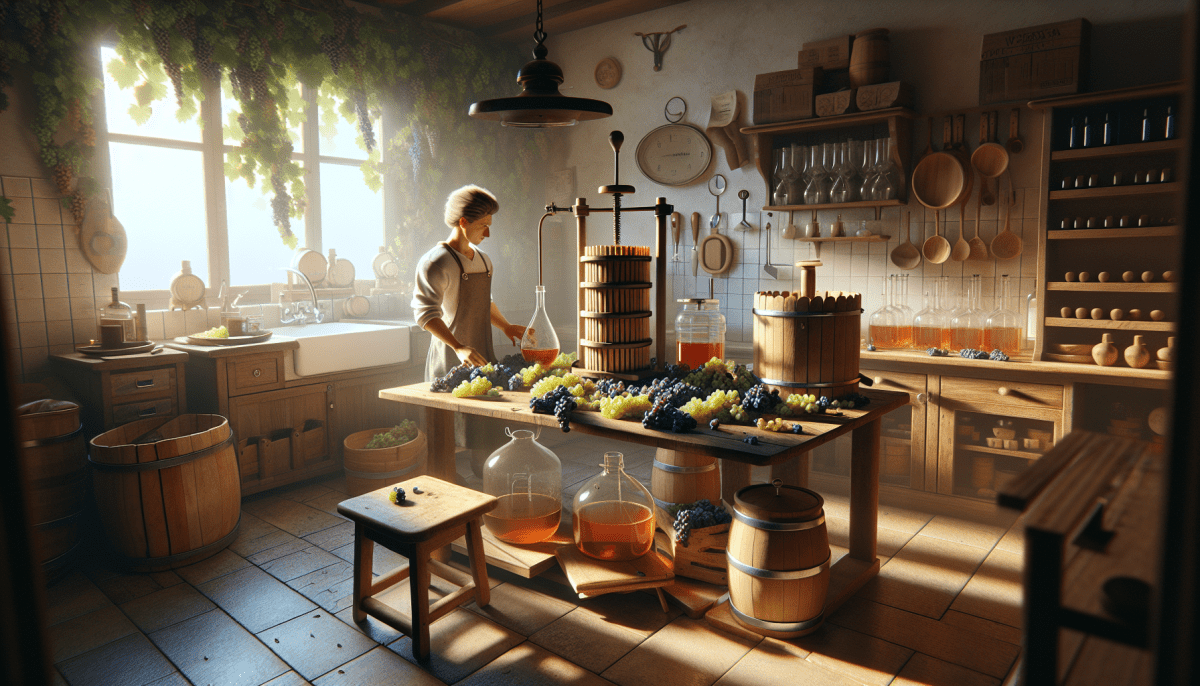
Once you have everything, it’s time to start the fermentation process. If you’re using fresh fruits, crush them up to release the juices and mix in the sugar. Then, add the wine yeast and stir it all up. Transfer your mixture into the fermentation container, seal it with an airlock, and wait. It’s all about patience here! The fermentation can take a few weeks, so sit back and let nature do its thing.
After fermentation, it’s bottling time! Make sure to clean and sanitize your bottles before filling them with your homemade wine. And remember, letting your wine age for a few months can really enhance the flavors, so resist the temptation to sip right away. You’ll be glad you waited!
Choosing the Right Equipment
When you're diving into winemaking at home, picking the right equipment can make all the difference. You don’t need a ton of fancy gadgets, but having the basics sorted out helps you get started on the right foot.
First up, grab a good fermentation vessel. A glass carboy or a food-grade plastic bucket works wonders. Make sure it’s easy to clean, as keeping things sanitary is key to great wine. A good airlock is also crucial. It keeps out unwanted stuff while letting the gases escape during fermentation. You can usually find both of these at your local brewing supply store or online.
Next, think about a hydrometer. This little tool measures the sugar content in your grape juice and helps you track fermentation progress. It's a game-changer when it comes to figuring out how dry or sweet your wine will be. Plus, it’s super easy to use! Just remember to sanitize it before each use to keep everything clean.
Lastly, don’t forget about bottles and corks! Once your wine is ready to drink, you’ll need something to put it in. Go for good-quality glass bottles and matching corks. It’s a great way to store your homemade wine and share it with friends. Plus, there's something special about giving a bottle you made yourself!
Essential Wine Ingredients List
Making your own wine at home is an exciting adventure, and getting the right ingredients is step one. Here’s a simple list to help you gather everything you need to kick off your winemaking journey.
1. Grapes (or Juice)
Fresh grapes are the star of the show, so choose ripe, quality ones. If you can’t find grapes, no worries! You can use wine juice kits that come pre-pressed and ready to ferment. Just make sure they’re 100% juice.
2. Yeast
Yeast is the tiny powerhouse that turns sugar into alcohol. Look for wine yeast, which is specifically designed for fermentation. Some popular choices include Champagne yeast for a dry finish or a sweet white yeast for fruity notes.
3. Sugar
Depending on the sweetness of your grapes or juice, you might need some extra sugar. It helps with fermentation and can balance out flavors. Always start with a little and adjust as needed!
4. Water and Additives
Water is essential if your juice needs diluting. You might also want to grab some additives like tannins, acids, or enzymes, which enhance the flavors and help with the fermentation process.
5. Equipment
Don’t forget the essentials: a fermentation vessel, airlock, siphon, and bottles. You can find all-in-one winemaking kits that come with the equipment you need, making it super easy to get started.
Fermentation Tips for Beginners
Jumping into wine making can feel a bit overwhelming, but don't worry! Here are some handy tips to help you get started with fermentation.
First off, clean everything. Seriously, cleanliness is key. Before you start, make sure all your equipment is spotless. Use hot water and a good sanitizer to scrub everything down. Even the smallest amount of bacteria can throw off your batch, so don’t skip this step!
Next, keep an eye on your fermentation temperature. Most wines like it cool, around 65-75°F. If it gets too warm, your fermentation might go too fast, and that can spoil the taste. If it's too cold, the yeast could take a nap on you. You want them working hard but comfortably!
Speaking of yeast, choose the right one for your wine style. Some yeasts are better for fruity wines, while others shine in drier varieties. Do a little research, or ask someone at your local brewing supply shop. They can help you pick the perfect strain for what you want to create.
Lastly, patience is your best buddy. Let your wine ferment until it’s ready, which can take anywhere from a few weeks to several months. Keeping it in a dark, cool place will help it develop those beautiful flavors. So hang tight and let nature do its thing!