When you're getting into winemaking, having the right tools can make all the difference. You don't need to break the bank, but a few essential items will set you on the right path. Let’s take a look at what you really need.
First up, a good quality fermenter is key. It should be spacious enough to handle your batch size and airtight to keep out any unwanted bugs. Look for one that’s easy to clean and has a tight-sealing lid. You’ll also want a fermenter with a narrow neck to minimize air exposure during fermentation.
Next, you can't go without an airlock. This little gadget allows carbon dioxide to escape while keeping your wine safe from contaminants. Trust me, you’ll want to invest in a reliable airlock because it prevents any spoiling. Most fermenters come with one, but having a spare on hand is never a bad idea.
Don't forget about a hydrometer! This handy tool helps you measure the specific gravity of your wine and tracks your fermentation progress. Knowing the starting and finishing gravity is crucial for understanding the alcohol content of your wine. It’s simple to use and gives you valuable insights.
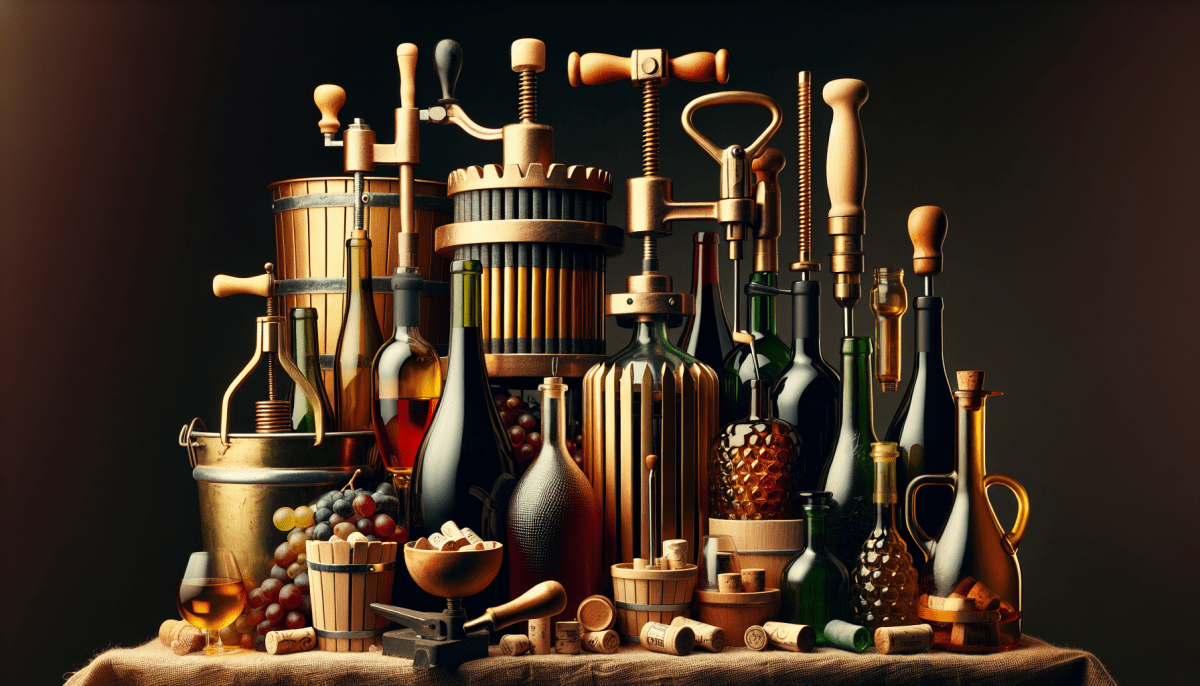
Lastly, a good bottle corker will save you a ton of hassle at bottling time. Look for a corker that fits the style of corks you plan to use. Having the right corking equipment ensures a tight seal so your wine stays fresh longer. Plus, it makes bottling day feel a little less daunting!
Top Ingredients for Great Homemade Wine
When it comes to making great homemade wine, the right ingredients make all the difference. You want flavors that pop and aromas that capture the essence of your chosen grapes. Here are some must-have ingredients to get you started.
1. Quality Grapes: Always go for fresh, high-quality grapes. Whether you're using reds, whites, or blends, the better the fruit, the better your wine. Think about the grape variety you like and choose wisely based on flavor and sweetness. You can even source them from local vineyards or trusted suppliers.
2. Yeast: Yeast is crucial for fermentation, and not all yeast is created equal. Different strains can influence the flavor profile of your wine. Look for specific wine yeast made for home brewing, as they can enhance the fruity notes and aromas you're aiming for.
3. Sugar: Depending on the type of wine and the grapes you're using, you might need some sugar to kickstart the fermentation process. You want to balance the sweetness, so be sure to measure carefully. Remember, too much can lead to overly sweet wine, while too little can make it taste flat.
4. Tannins: Tannins add depth and structure to your wine, giving it that nice mouthfeel. You can find tannin powders or even use oak chips, which can impart subtle flavors and complexity. Play around with the amount until you find your perfect blend.
With these ingredients on hand, you’re well on your way to making wine that impresses. Enjoy the process and unleash your inner vintner!
Helpful Tips for Wine Fermentation
If you're diving into the world of wine making, fermentation is a big deal. Here are some handy tips to help you nail it.
First off, keep your fermentation area clean. Sanitize everything—bottles, equipment, and surfaces. A little bacteria can ruin a whole batch. So don’t skip this step; it’s super crucial.
Temperature control is your friend. Most wines ferment best between 65°F to 75°F. Too cold, and the yeast might go dormant. Too hot, and you could end up with off-flavors. Use a thermometer to keep an eye on things.
Don’t forget about aeration. When you start fermenting, your wine needs some oxygen. It helps yeast do their thing. But, once fermentation is rolling, cut back on the air to prevent unwanted bacteria from crashing the party.
Finally, be patient. Good wine takes time. Checking on your fermenting wine frequently is fine, but don’t rush it. Let nature do its work, and you’ll be rewarded with something delicious!
Best Storage Solutions for Wine Bottles
When it comes to wine making, you need the right storage solutions for your bottles. After all, a well-stored wine can make all the difference in the world. Let’s dive into some of the best options to keep your creations safe and sound.
First up, wine racks! They come in all shapes and sizes, so you can find one that fits your space perfectly. Look for a rack that holds bottles horizontally. This keeps the cork moist, which helps prevent it from drying out and spoiling the wine.
If you're short on space, consider a wall-mounted wine rack. These sleek designs save floor space and keep your bottles within easy reach. Some even double as decor, adding a stylish touch to your home.
Another popular option is a wine cabinet. These not only store your bottles but can also protect them from light and temperature fluctuations. Look for cabinets with temperature control options if you want to get serious about your wine collection.
Lastly, for those who like to plan ahead, a wine fridge is a great investment. These fridges are specifically designed for wine storage. They maintain the perfect temperature and humidity levels, ensuring your homemade wine stays fresh and ready to enjoy anytime.